Your grid,
thinking for itself.
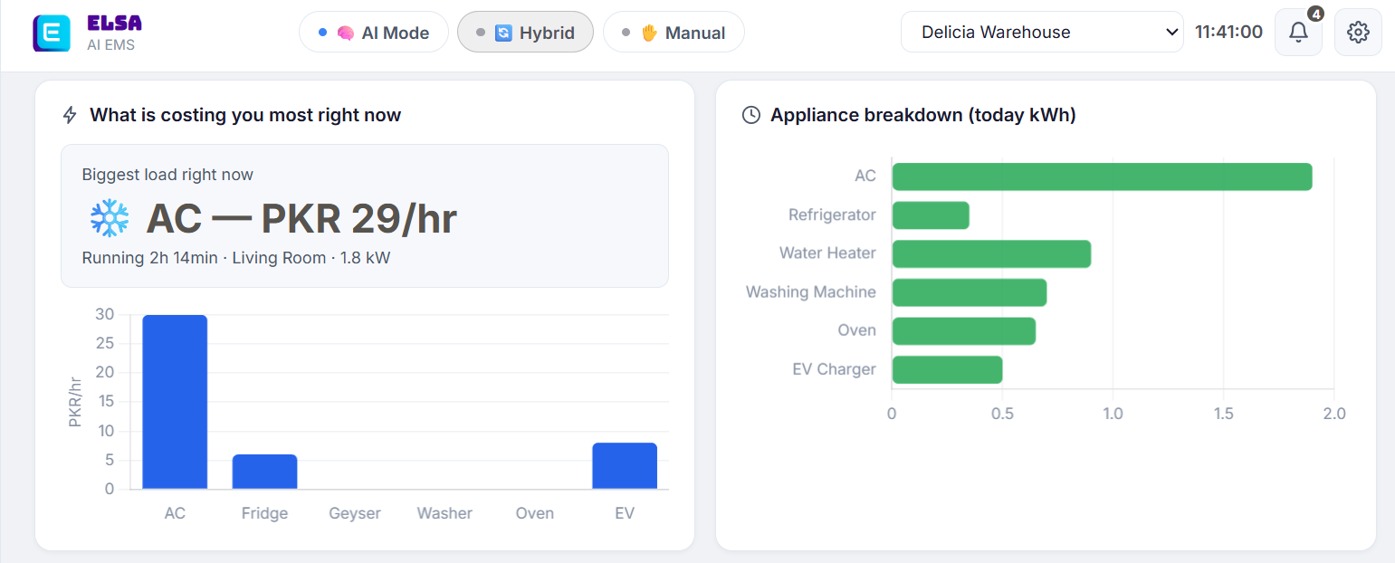
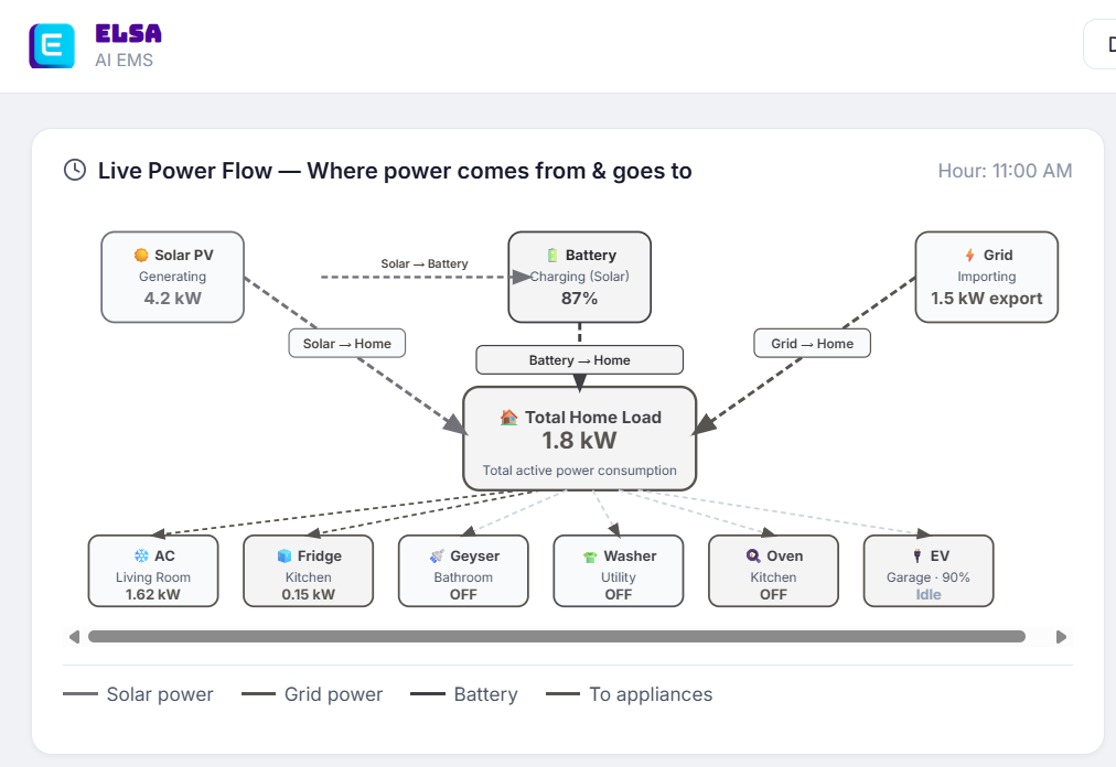
GridMind AI EMS monitors every electrical load, solar inverter, and system appliance parameter in real-time, executing smart load-shifts to maximize tariff slab efficiency automatically.
Optimization Core Active
SYS_OK //Unified Multi-Asset Optimization Engine
Engineered to flatten load curves and actively prevent peak-tariff slab penetration through localized device orchestration.
Dynamic Load Shifting Timeline
Maps resource usage across custom runtime profiles. Users slide appliance timelines to lower-demand slots to track updated tariff projection values immediately on screen.
Automation Modes
Configurable across full AI execution, coordinated hybrid line decision-making splits, or zero-intervention manual prompts.
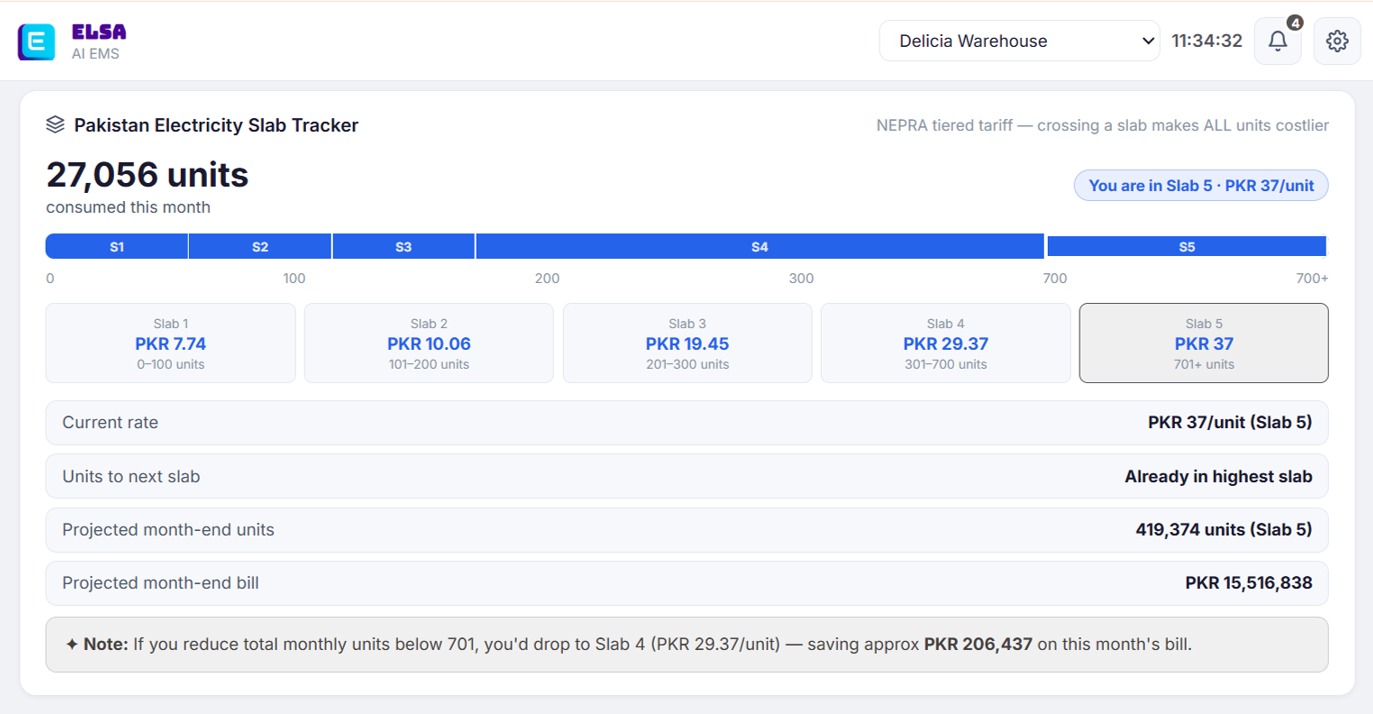
Slab Rate Tracking
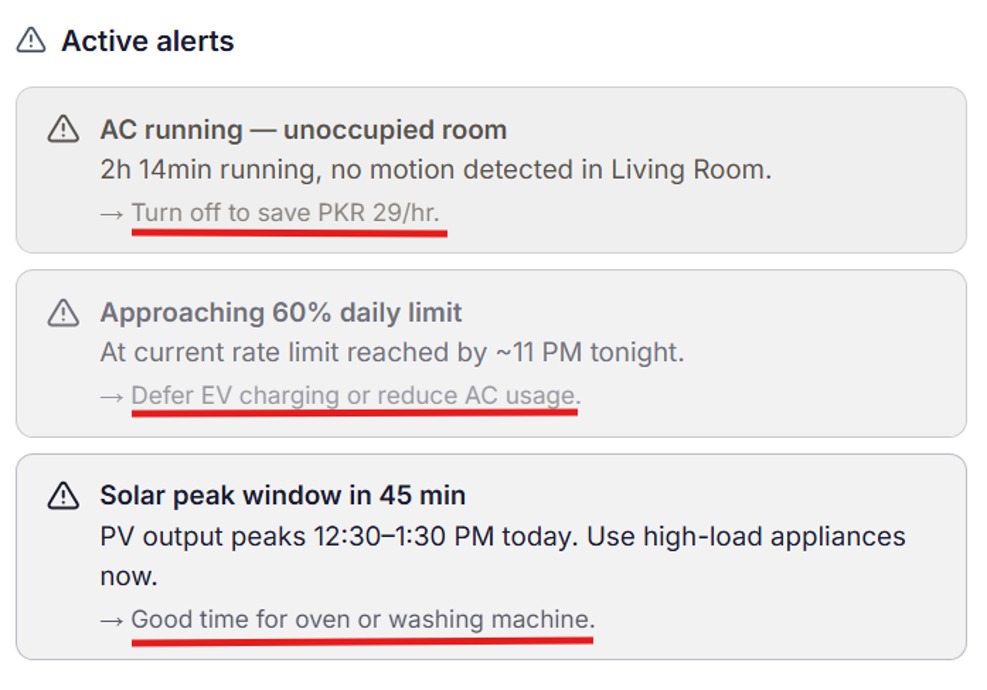
Monitors electricity usage boundaries continually. Preemptively signals optimization states to stay below penalizing utility brackets.
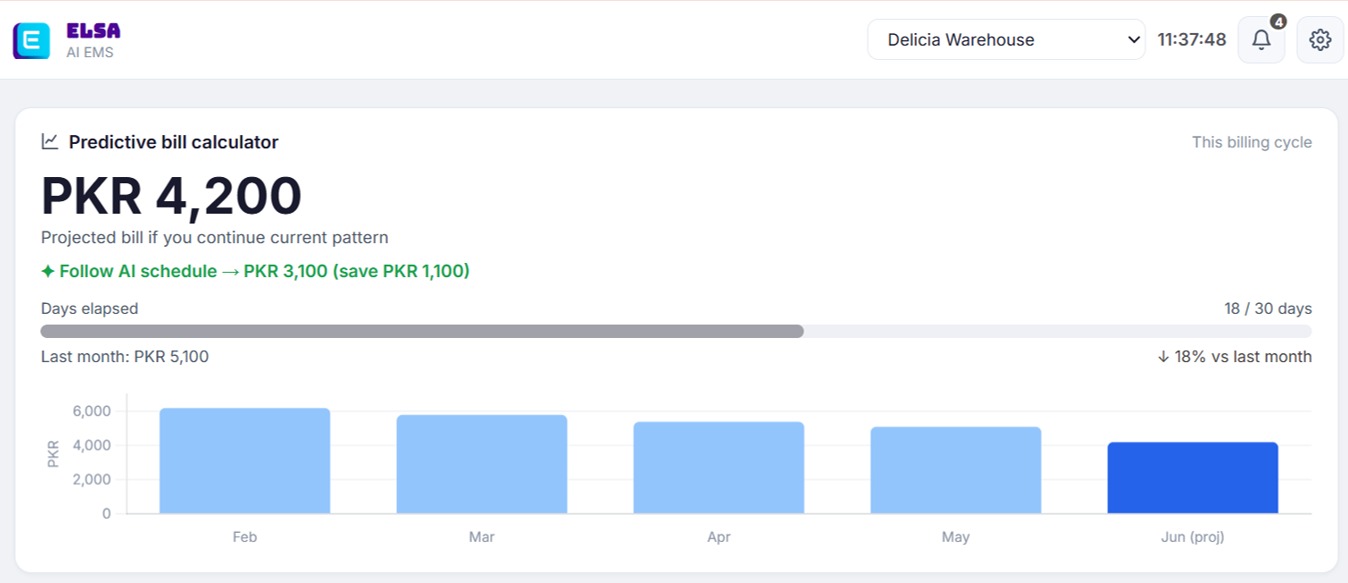
Predictive Cost Allocation
Calculates systemic utility fees in advance, paired with historical consumption audits per connected critical and flexible asset line.
System View Component Arrays
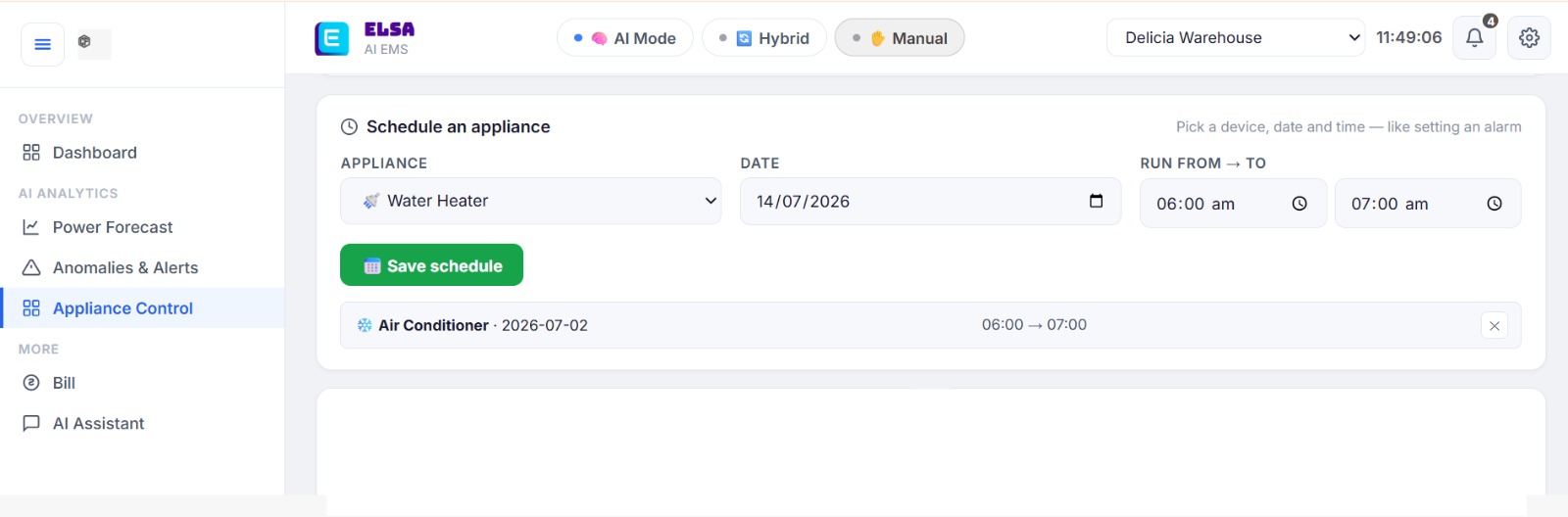
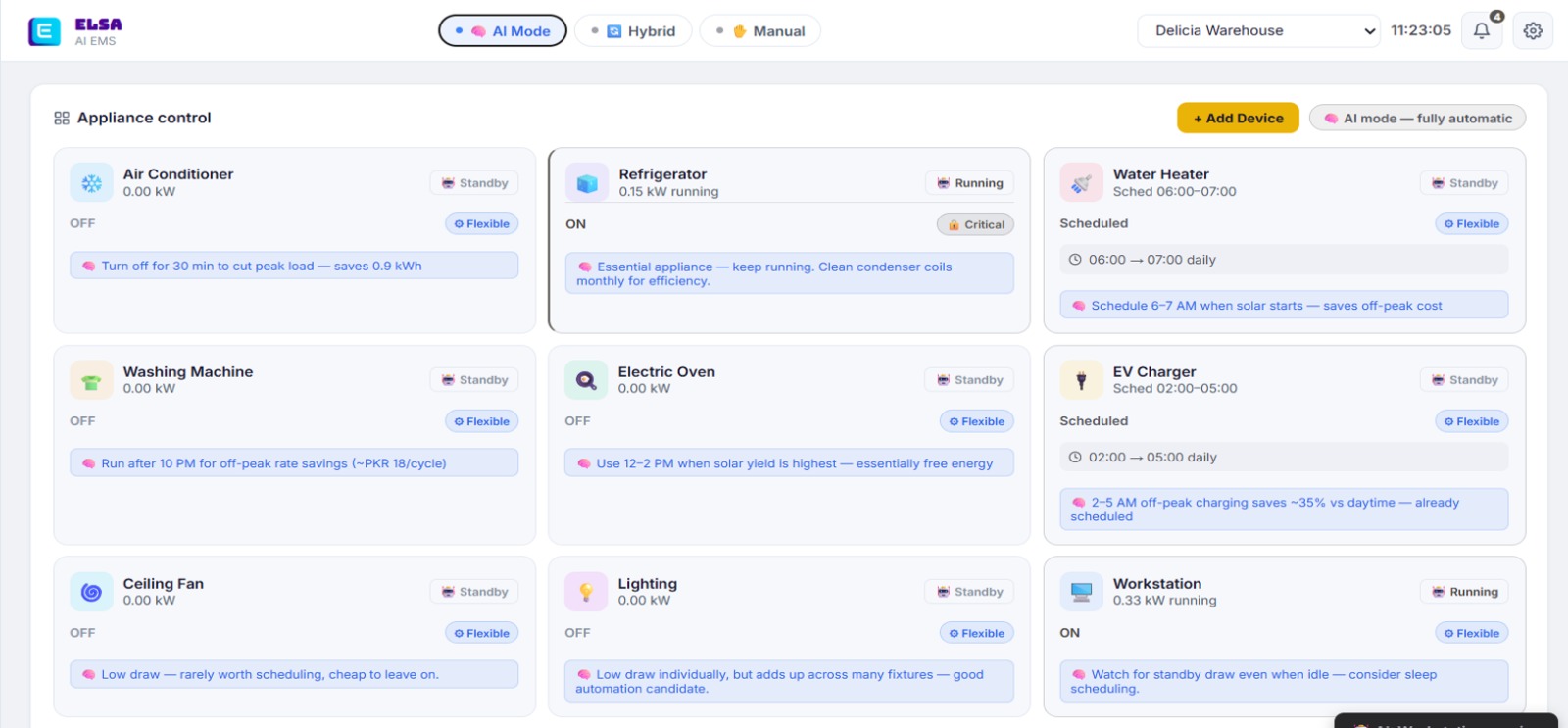
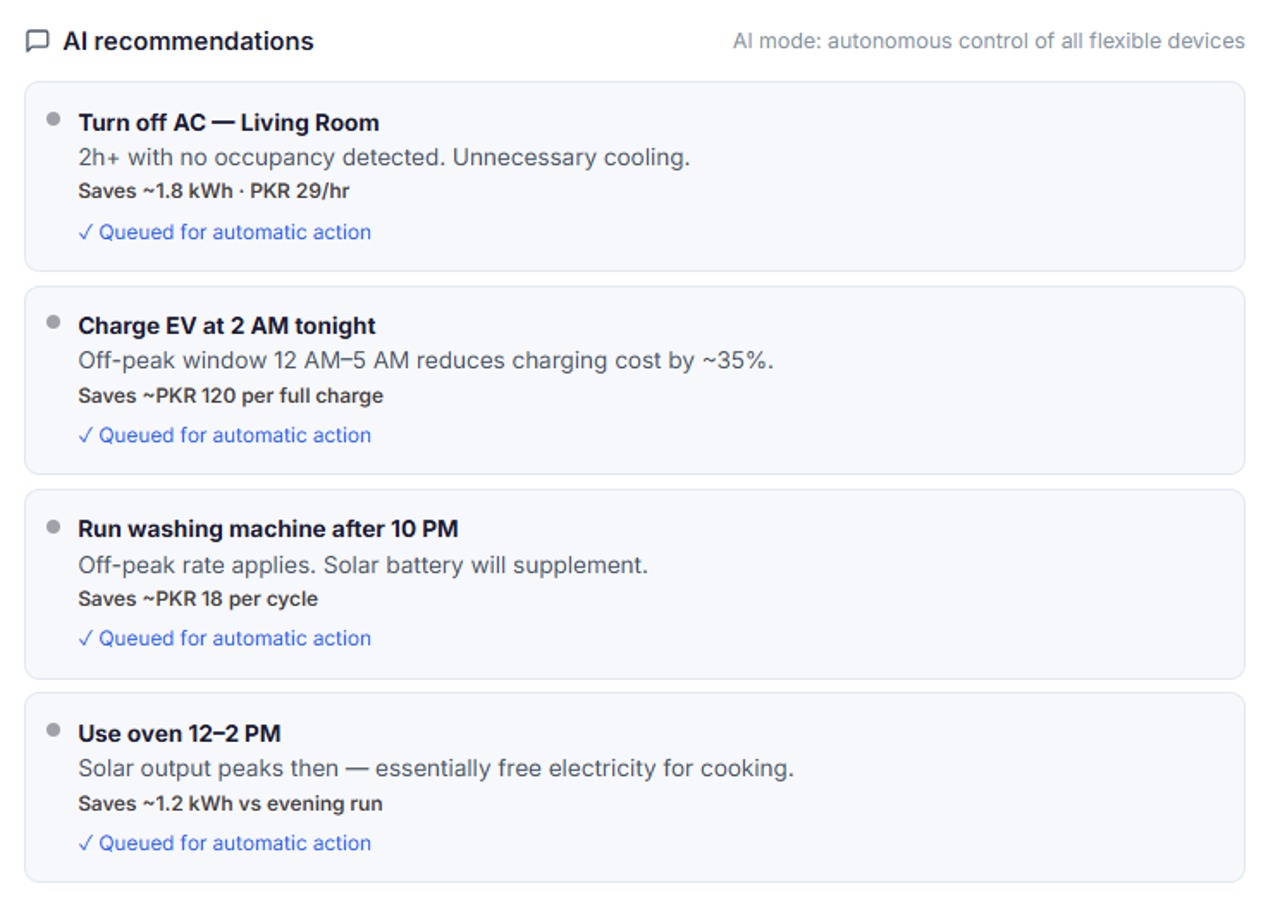
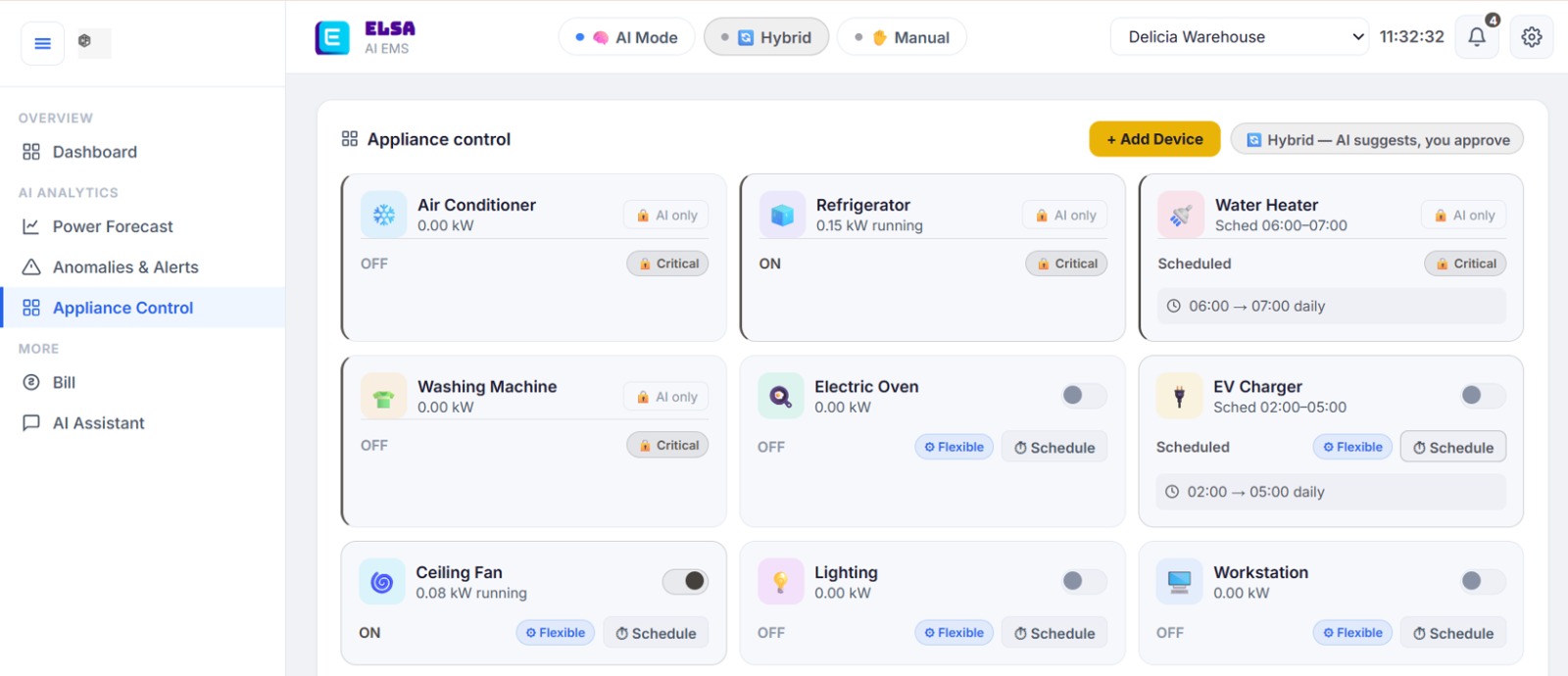
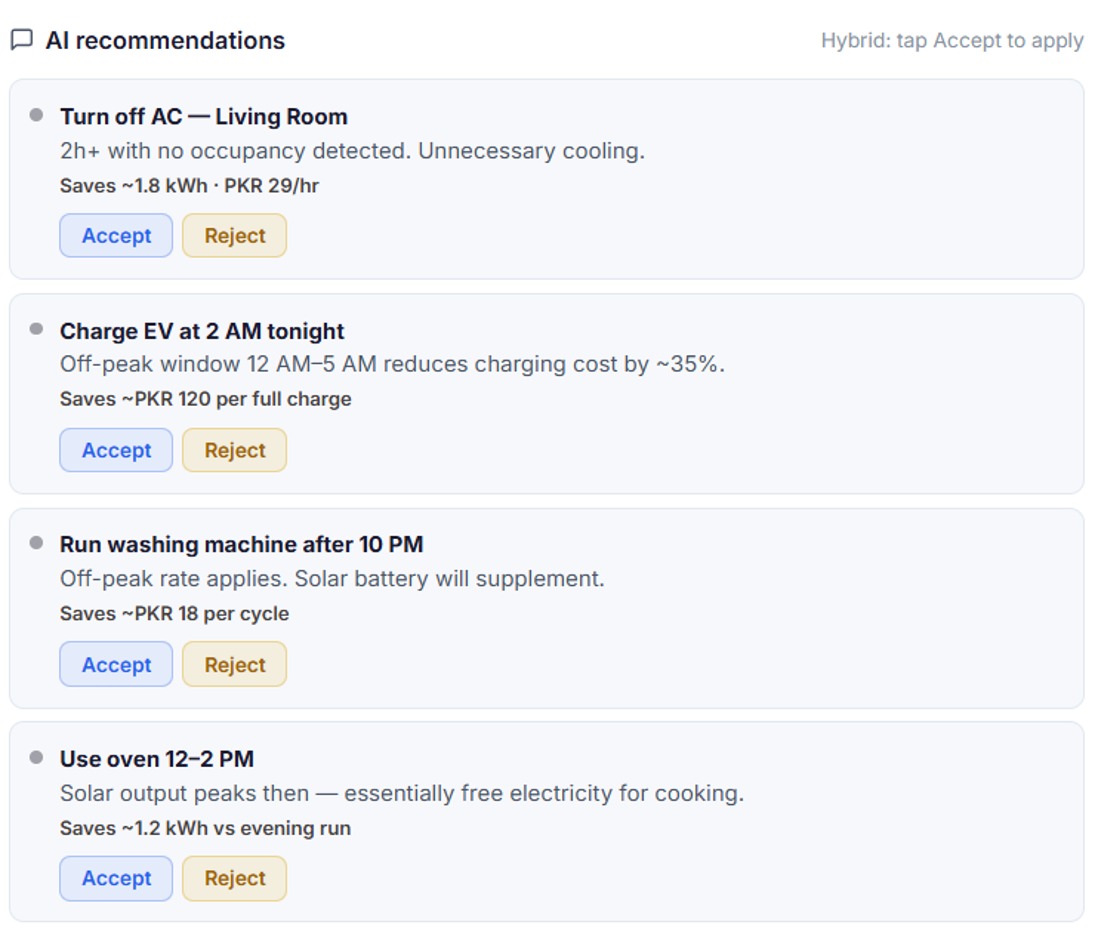
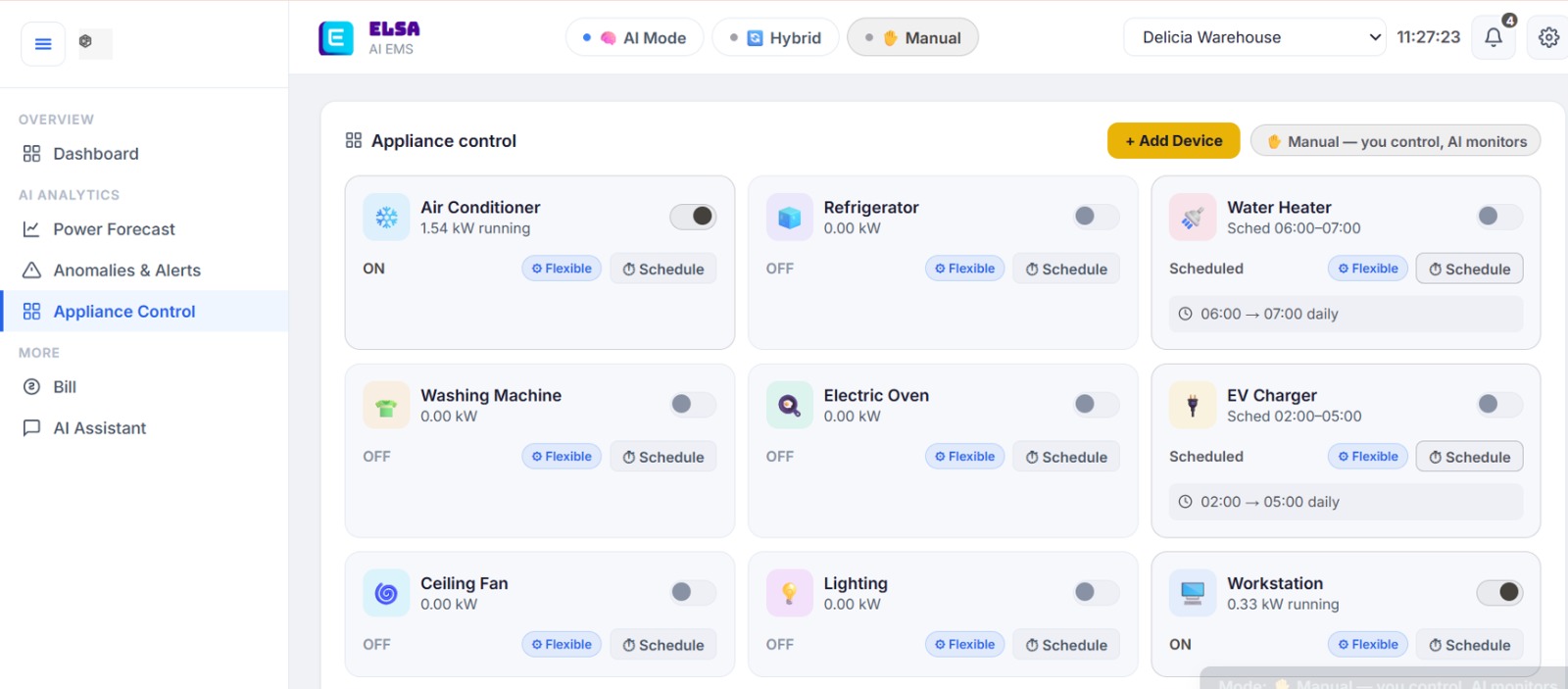
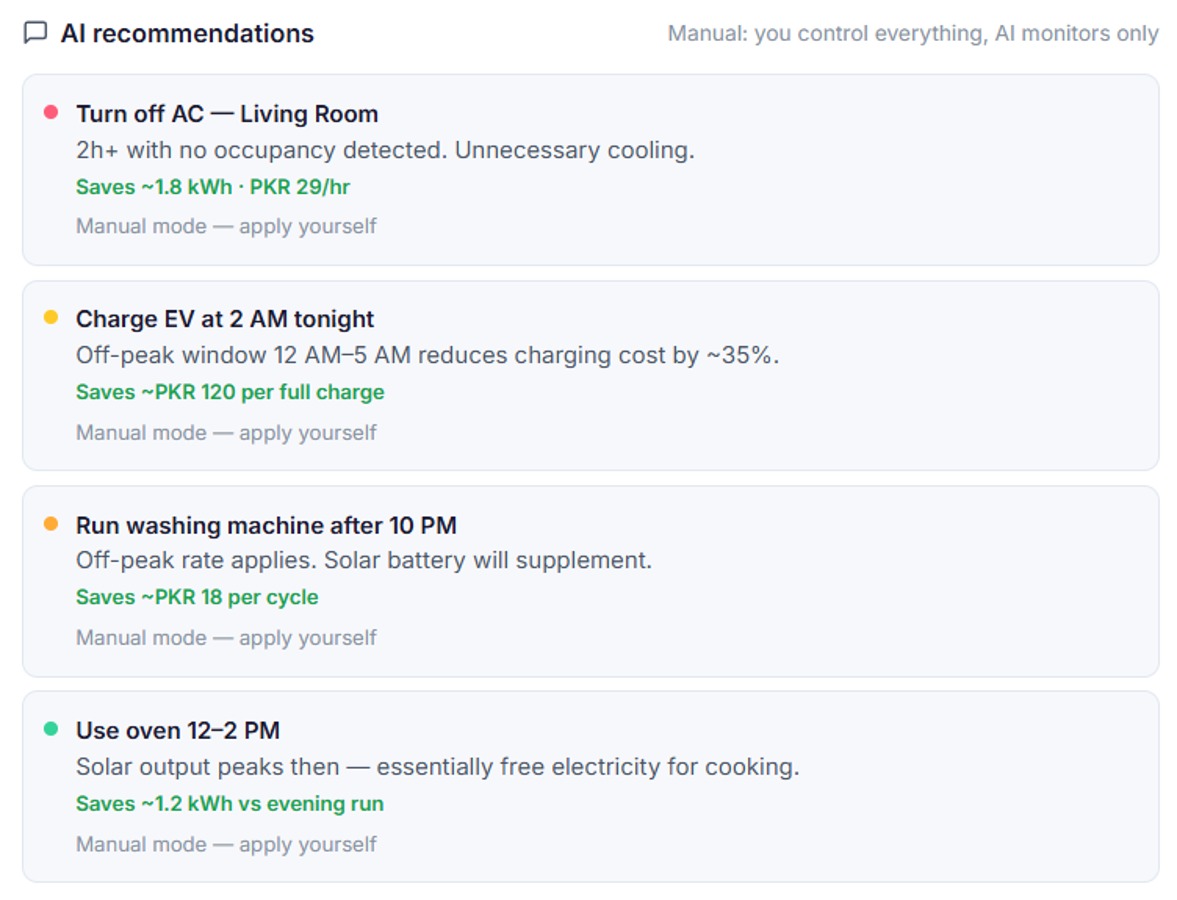
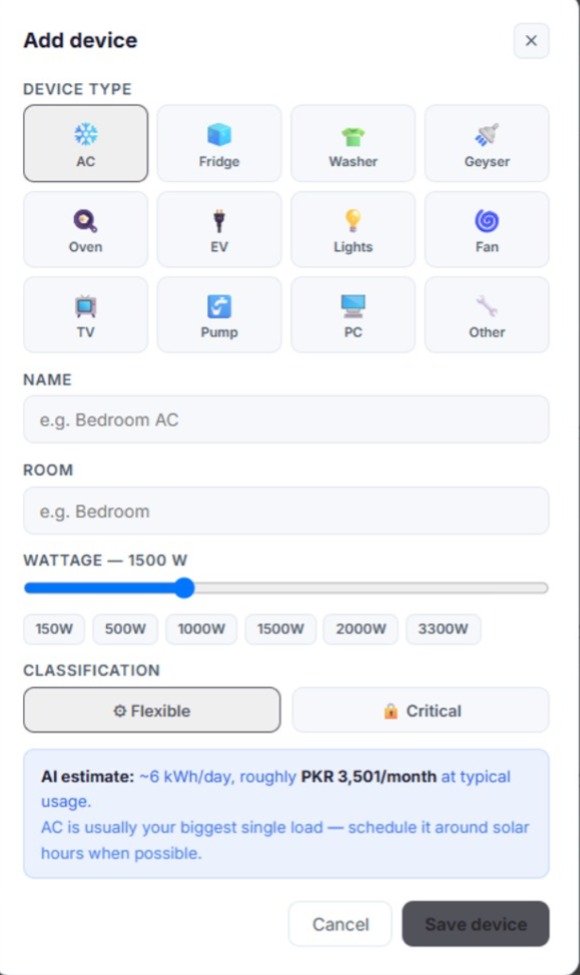
Register and Automate Infrastructure
Seamless asset registration
Register new flexible or critical appliances instantly with specific historical load profiles, wattages, and rule sets.
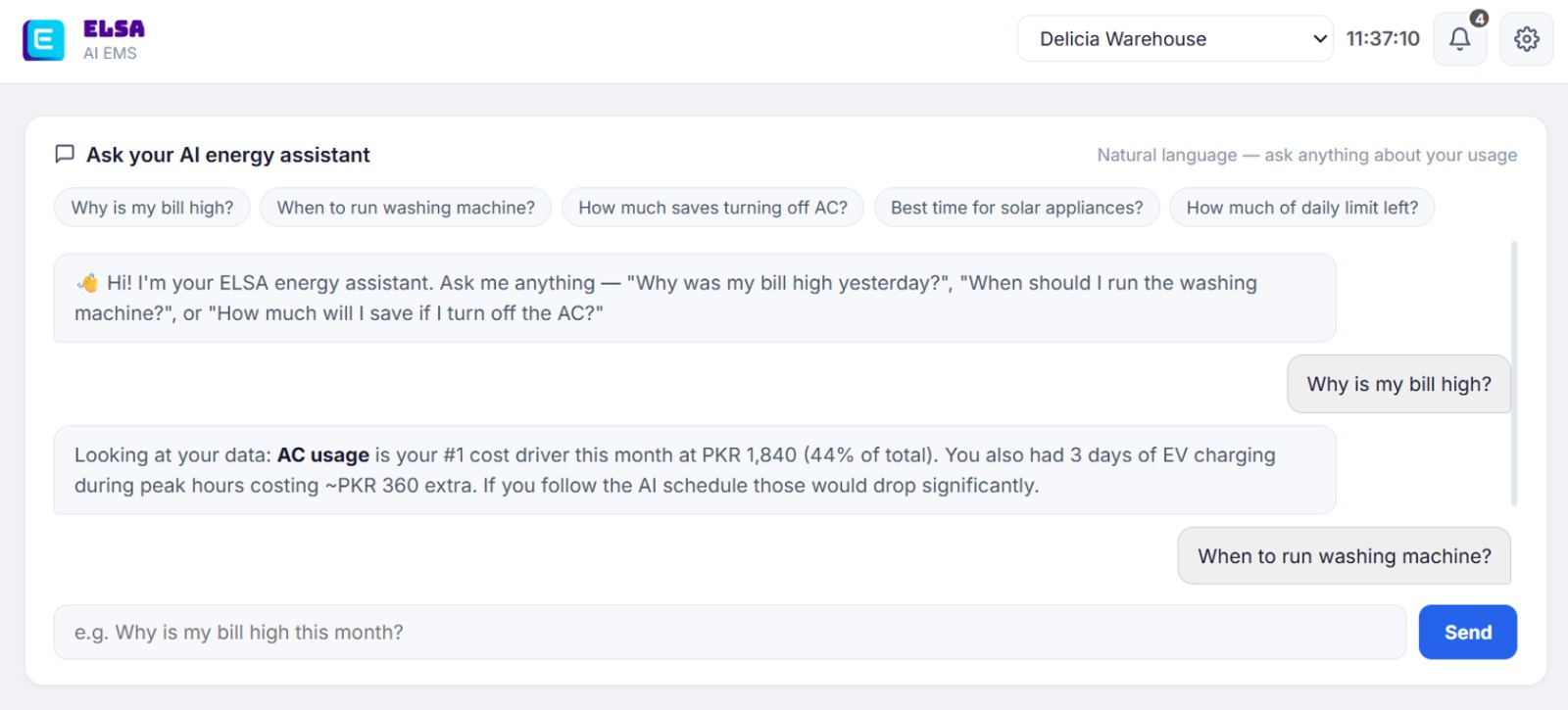
Conversational control & updates
Interact with the localized AI assistant for natural language reasoning updates on operational changes or peak warning levels.
Live forecast alignment
Track generation forecasts, manage structural timeline updates, and monitor utility slabs directly across terminal monitors.
// DIAGNOSTIC NOTE: Data values verified against active system configurations mapped out in features matrix previews.
Frequently Noted Details
What occurs inside the Drag-and-Drop Timeline?
The timeline lets administrators slide heavy flexible appliances directly into periods with lower consumption averages or cheaper slab boundaries. Expected bill calculations adjust layout summaries instantly.
How do AI, Hybrid, and Manual control modes differ?
AI Mode automates shifts entirely; Hybrid breaks devices into Critical and Flexible lines where operators must confirm alterations manually; Manual treats AI choices as references only.
What is the role of the Slab Rate Tracker?
It acts as a continuous reference monitor. By calculating what rate tier your current aggregate system usage falls under, it handles automation sequencing to actively prevent sudden peak threshold jumps.
Is there role protection on these configurations?
Yes. Role-Based Access Control ensures that only designated profiles can manipulate timeline configurations or adjust automation parameters, while mobile companion layouts provide view-only trackers.
Connect With Our Engineering Team
Have questions regarding hardware integrations, tariff optimizations, or field setups? Text us directly on WhatsApp for immediate technical support.
Message us on WhatsApp